Corgi Grooming: Shedding, Clean Undersides and Nail Care
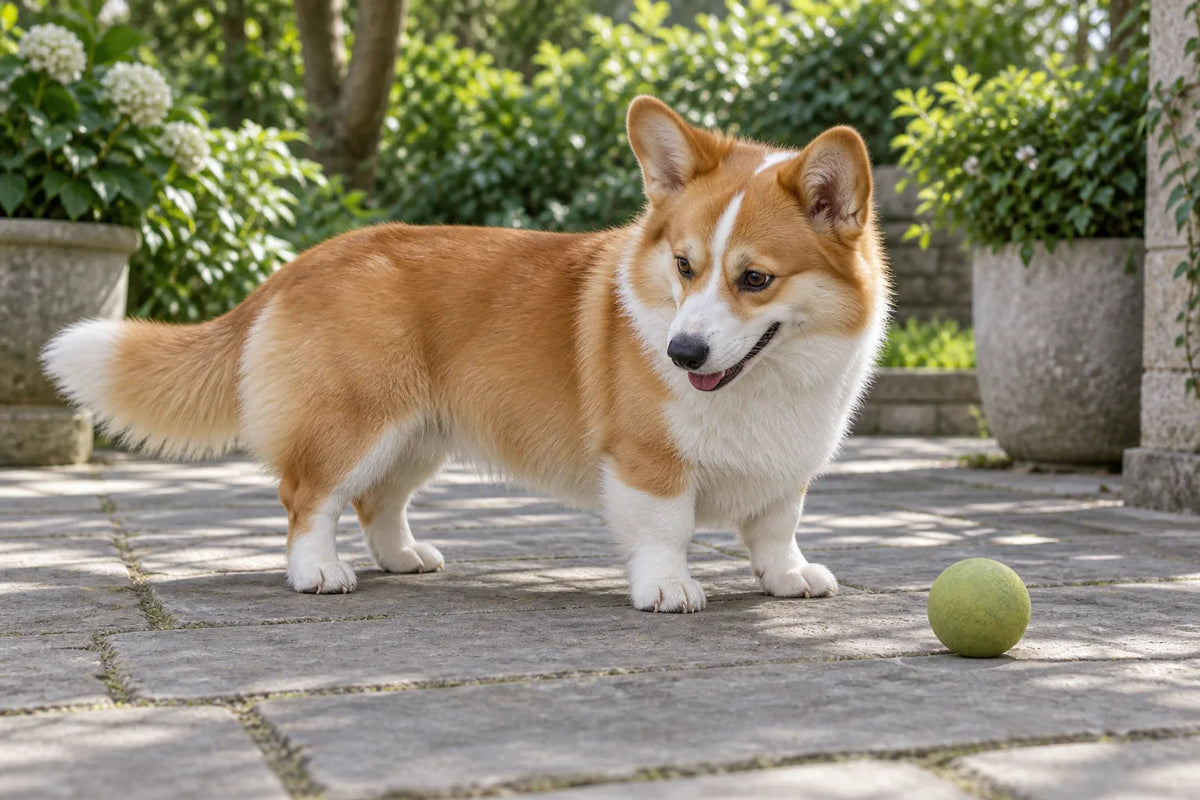
A Pembroke Welsh Corgi carries a substantial coat on a low body. The back may look tidy while the underside has collected dirt and loose undercoat is building around the thighs. Grooming works best when you check those jobs separately.
Keep the natural coat rather than shaving it to reduce shedding. A useful home routine removes freely releasing hair, cleans the areas that meet the ground and makes foot care easy to repeat.
The coat is meant to stay. Brush gently through the double coat, dry it fully after washing and keep the feet comfortable. A short body clip does not replace these jobs.
Understand the layers
The AKC Pembroke profile describes a soft undercoat beneath a coarser outer coat, with substantial shedding. Loose hair can be an everyday maintenance issue, not just a brief seasonal event.
Feel the coat at the shoulder, chest and thighs before brushing. Notice where it separates readily and where it feels densely packed. The aim is to release loose hair while leaving the attached coat and skin comfortable.
A Corgi's low shape is also relevant to your setup. Use a secure floor mat when possible and do not make the dog balance on a high edge to bring them closer to you.
Make the underside part of the routine
After walks, check the chest, belly and lower legs for mud. Look between the toes and under the harness. Clean local dirt when that is enough, then dry those areas instead of leaving a damp strap or muddy foot until bath day.
Support the dog comfortably when you need to see underneath. Do not pull the legs wide apart or twist the body to make inspection convenient. Ask a groomer to demonstrate a safe position if access is difficult.
Tail length varies. Where your dog has a full tail, inspect its underside as well as the rear feathering. Groom the anatomy your dog has rather than copying the silhouette in a photograph.
Use a gentle route through the coat
- Start at the shoulder with a suitable brush and light pressure.
- Part a small section so the surface does not hide the roots.
- Work along the side and chest without repeatedly scraping one patch.
- Give the thighs and rear coat their own short session.
- Check longer areas with wider comb teeth where they pass freely.
- Clear the tools and stop before the dog or skin becomes uncomfortable.
A VUNRO combination comb can help check longer or denser sections after brushing. It should not be forced through packed undercoat. If you cannot part the coat comfortably, book a groomer rather than applying more pressure.
Frequent short checks are useful during a heavy shed. There is no need to remove every soft hair or continue until nothing at all comes away. The AKC double-coat guide distinguishes normal undercoat maintenance from shaving.
Use a bath to clean, not to hide a coat problem
Before wetting the dog, remove loose debris and identify any tight mats or compacted sections needing professional help. Do not expect water and shampoo to make a difficult tangle safe to pull through.
Use a non-slip bath surface, comfortable water and a dog shampoo according to its label. Rinse the low underside carefully; it is easy to miss when washing the visible back.
Press out water with towels, then dry through the coat. If using a dog dryer, introduce it gradually, keep airflow comfortable and moving, and avoid the face and ears. Supervise the dog throughout.
Check the chest and thighs at the roots before finishing. Once fully dry, gently brush out loosened hair. Clean and dry bedding and harnesses too.
Blue Cross's bathing advice supports an individual schedule. A small muddy patch does not always require a whole-dog wash.
Keep cosmetic decisions separate from maintenance
A rounded social-media haircut is not necessary to keep a Corgi comfortable. Ask for the natural body coat to be preserved and explain any specific area that needs practical attention.
Foot hair that interferes with grip can be assessed by a groomer. Tight mats or sore areas need an individual welfare decision. These are different questions from routinely clipping the body because shedding is inconvenient.
Do not overlook short legs and substantial nails
Inspect each foot regularly, including any dewclaws. Keep the foot in a natural position and ask a professional to identify a safe trimming margin, especially on dark nails.
The VUNRO nail grinder allows gradual smoothing when the dog accepts vibration. Use brief contacts, pause often and keep clear of the sensitive quick. Introduce the sound first rather than switching it on beside an already worried dog.
A good Corgi routine leaves the coat natural and dry, the underside clean, loose hair managed and feet maintained. That is a practical result you can repeat.
Keep learning
More from the Blade Blog
Whippet Grooming: Gentle Coat Care and Comfortable Nails
Read the guide →
Chihuahua Grooming: Smooth Coats, Long Coats and Tiny Paws
Read the guide →